High quality, Well-deserved reputation, First-class service


PRODUCTS
CONTACT INFO
Email: sales01@everluckymachinery.com
Whatsapp: +86-13722852356
Wechat: ff0082006
Sype: 297338284@qq.com
Tel: +86-317-5660915
Fax: +86-317-8330026
Address: Botou city Hebei province

High - Precision Industrial Slide - Type Gate Valve: Engineered for Optimal Flow Control
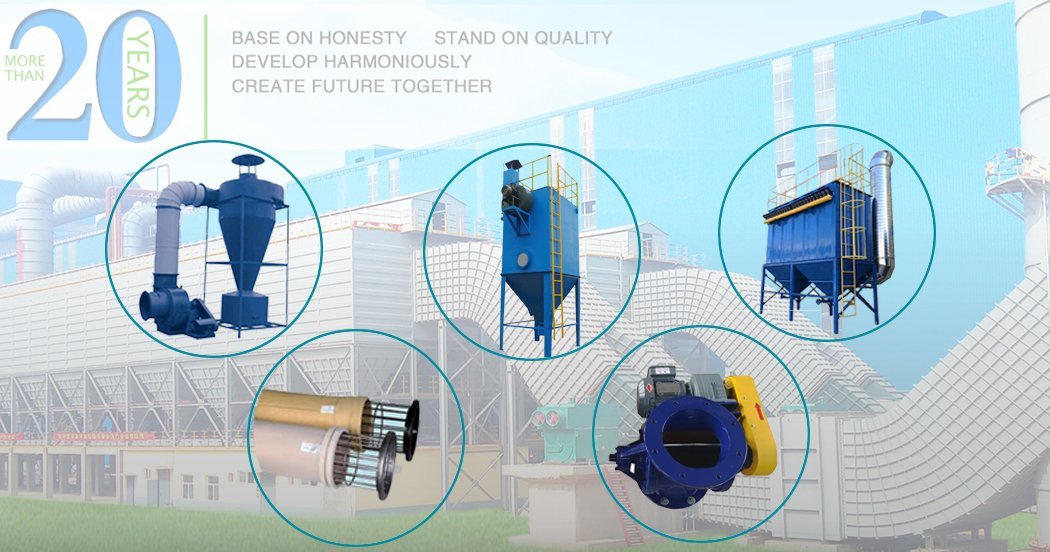
Slide gate valve is one kind of flow control valve used for dust collector system include the discharge device and ducting.
Category
Contact Info
sales01@everluckymachinery.com
Product Details
 High - Precision Industrial Slide - Type Gate Valve: Engineered for Optimal Flow Control
Introduction
Key Components and Their Advantages
Gate
- Material Selection: The gate of our slide - type gate valve is typically constructed from high - quality alloy steels, such as stainless steel grades like 316 or 304 for general - purpose applications. For more corrosive environments, specialized alloys like duplex stainless steel or nickel - based alloys may be used. These materials offer exceptional strength, ensuring the gate can withstand high - pressure differentials without deformation. They also provide excellent corrosion resistance, making them suitable for handling a wide range of fluids, from aggressive chemicals to seawater.
- Precision Machining: The gate undergoes precision machining processes to achieve a smooth surface finish. This not only reduces friction during the opening and closing operation but also ensures a tight seal when the valve is closed. The edges of the gate are precisely ground to match the seat of the valve, minimizing any potential leakage paths. The flatness of the gate is maintained within tight tolerances, typically in the order of a few thousandths of an inch, which is crucial for achieving accurate flow control.
- Lightweight Design without Compromising Strength: Through advanced engineering techniques, the gate is designed to be as lightweight as possible while still maintaining its structural integrity. This lightweight design reduces the operating torque required to move the gate, making it easier to operate and reducing the wear and tear on the actuator and other components. It also allows for faster opening and closing times, improving the overall response of the valve to flow control commands.
Seat
- Elastomeric or Metal - to - Metal Sealing: Our slide - type gate valves offer two main types of seating options: elastomeric and metal - to - metal. Elastomeric seats, usually made from materials like EPDM, NBR, or PTFE, provide excellent sealing performance even at low pressures. They are highly flexible and can conform to minor irregularities in the gate surface, ensuring a leak - tight seal. Metal - to - metal seats, on the other hand, are designed for high - temperature and high - pressure applications. They are typically made from hardened steel or other high - strength alloys and are capable of withstanding extreme conditions. The metal - to - metal seats are often coated with a thin layer of a low - friction material, such as tungsten carbide, to reduce wear and improve the sealing performance over time.
- Seat Replacement Design: The seat is designed for easy replacement in case of wear or damage. It is typically held in place by a retainer ring or a series of bolts, which can be easily removed without the need for extensive disassembly of the valve body. This design feature not only reduces maintenance time and costs but also ensures that the valve can be quickly restored to its optimal performance.
Body
- Robust Construction: The valve body is fabricated from heavy - duty cast or forged steel, depending on the application requirements. Cast steel bodies are often used for larger - sized valves due to their cost - effectiveness and ability to be molded into complex shapes. Forged steel bodies, on the other hand, offer superior strength and integrity, making them ideal for high - pressure applications. The body is designed to withstand the internal pressure of the fluid being handled, as well as any external loads that may be applied during installation or operation.
- Internal Smooth Bore Design: The internal bore of the valve body is machined to a smooth finish, minimizing flow resistance. This smooth bore design helps to maintain the velocity of the fluid as it passes through the valve, reducing the risk of pressure drops and ensuring efficient flow control. The shape of the bore is also optimized to guide the gate smoothly during its movement, preventing any jamming or misalignment.
- Corrosion - Resistant Coatings: To enhance the valve's durability in corrosive environments, the body can be coated with various corrosion - resistant materials. Epoxy coatings are commonly used for general - purpose applications, providing a protective layer against chemical attack and rust. For more severe environments, such as offshore oil and gas platforms, specialized coatings like fusion - bonded epoxy or zinc - based coatings may be applied. These coatings not only extend the lifespan of the valve but also help to maintain its appearance and performance over time.
Actuator
- Manual, Pneumatic, or Electric Options: Our slide - type gate valves can be equipped with a variety of actuators to suit different operating requirements. Manual actuators are simple and cost - effective, typically consisting of a handwheel or a lever that allows an operator to open and close the valve manually. Pneumatic actuators, on the other hand, use compressed air to drive the movement of the gate. They offer fast response times and are suitable for applications where remote operation or automation is required. Electric actuators are powered by an electric motor and provide precise control over the position of the gate. They can be easily integrated into a plant's control system, allowing for automated flow regulation based on process variables such as pressure, temperature, or flow rate.
- Position Indicator and Limit Switches: All actuators are equipped with a position indicator that shows the current position of the gate (open, closed, or in - between). This provides visual feedback to the operator, ensuring that the valve is in the desired position. Additionally, limit switches are installed to prevent over - travel of the gate. These switches can be connected to a control system to provide signals for safety interlocks or to trigger alarms in case of abnormal operation.
Factory Design and Quality Advantages
Design Advantages
- Custom - Engineered Solutions: Our factory's team of experienced engineers takes a consultative approach, working closely with clients to understand their specific flow control requirements. We consider factors such as the type of fluid being handled, the operating pressure and temperature, the required flow rate, and the installation environment. Based on this in - depth understanding, we design a custom - engineered slide - type gate valve that is optimized for the client's unique application. This may involve modifying the size and shape of the valve, selecting the appropriate materials for each component, and integrating special features such as anti - cavitation devices or noise - reducing elements.
- Advanced Computational Fluid Dynamics (CFD) Analysis: During the design phase, we utilize advanced CFD software to simulate the flow of fluid through the valve. This allows us to analyze the velocity, pressure, and turbulence of the fluid within the valve body, as well as the flow patterns around the gate and seat. By using CFD analysis, we can optimize the internal geometry of the valve to minimize flow losses, prevent cavitation, and ensure uniform flow distribution. This not only improves the performance of the valve but also reduces the energy consumption associated with the fluid flow.
- 3D Modeling and Virtual Prototyping: We also use 3D modeling and virtual prototyping techniques to visualize the valve design and test its functionality before manufacturing. This allows us to identify any potential design flaws, such as interference between components or difficulties in assembly, and make the necessary adjustments. By creating a virtual prototype, we can simulate the operation of the valve under different conditions, including opening and closing cycles, pressure changes, and thermal expansion. This helps us to ensure that the valve will perform reliably in the real - world application.
Quality Advantages
- Stringent Quality Control at Every Stage: Our factory has implemented a comprehensive quality control system that covers every aspect of the manufacturing process. From the sourcing of raw materials to the final inspection of the assembled valve, each step is subject to rigorous inspection and testing. Raw materials are inspected for their chemical composition, mechanical properties, and dimensional accuracy. During the manufacturing process, in - process inspections are carried out to monitor the quality of machining, welding, and assembly operations. Final products undergo a series of performance tests, including pressure testing, leak testing, and cycle testing, to ensure that they meet or exceed industry - standard specifications.
- ISO - Certified Manufacturing Processes: Our manufacturing processes are ISO - certified, ensuring that we adhere to the highest international standards of quality management. This certification demonstrates our commitment to providing consistent, high - quality products to our customers. We regularly review and update our quality control procedures to ensure that they remain in line with the latest industry best practices and regulatory requirements.
- Skilled and Trained Workforce: Our production team consists of highly skilled and trained technicians and craftsmen who have extensive experience in the manufacturing of industrial valves. They are well - versed in the latest manufacturing techniques, including precision machining, welding, and assembly. Regular training programs are conducted to keep the workforce updated with the latest industry trends, technologies, and quality control measures. Their attention to detail and commitment to quality ensure that each slide - type gate valve leaving our factory is of the highest possible standard.

| Seal type | Hard seal, soft seal |
| Size range | 150*200*200-930*930 |
| Body material | WCB, Q235A,Q345B, 304, 316, 304L, 316L |
| Accessories | mounting flange, solenoid valve, air cylinder, travel switch, |
| Connection flange | GB/T9113, JB/T79 |
| Air source pressure | 0.4~0.6MPa |
| Applicable temperature | -10~+200°C |
Keywords
Leave Us A Message
*Note: Please fill in the information accurately and keep the communication open. We will contact you as soon as possible.

Contact Information
Add:Botou city Hebei province
ff0082006
Email us
For more information, please leave your message below.