High quality, Well-deserved reputation, First-class service


PRODUCTS
CONTACT INFO
Email: sales01@everluckymachinery.com
Whatsapp: +86-13722852356
Wechat: ff0082006
Sype: 297338284@qq.com
Tel: +86-317-5660915
Fax: +86-317-8330026
Address: Botou city Hebei province

Spare part for belt conveyor-Protection device
Aluminum alloy housing, strong impact resistance.
Category
Contact Info
sales01@everluckymachinery.com
Product Details
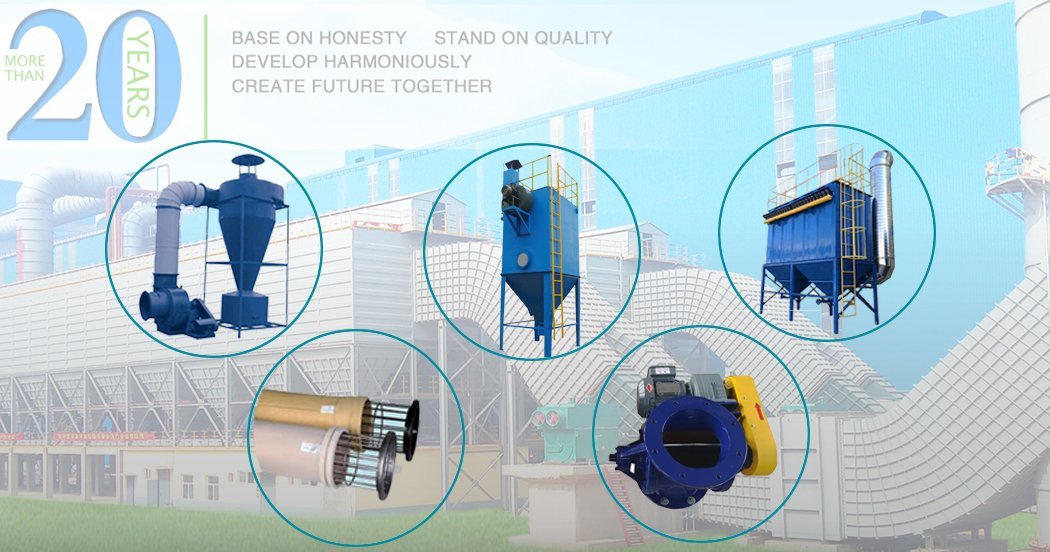

Spare Part for Belt Conveyor - Protection Device
Introduction
Materials and Their Characteristics
1. Steel
- Strength and Durability: Steel protection devices are renowned for their high strength. They can withstand significant impact forces, making them ideal for heavy - duty applications. Whether it's protecting the conveyor from large, falling objects or withstanding the abrasive forces of bulk materials, steel offers excellent resistance to wear and tear.
- High - Temperature Resistance: Many steel alloys can tolerate high temperatures, which is crucial in industries such as steelmaking, foundries, and some parts of the mining industry where the conveyor may operate in hot environments.
- Corrosion Resistance (Alloy Steels): Certain alloy steels, like stainless steel, provide enhanced corrosion resistance. This makes them suitable for use in wet or corrosive environments, such as in chemical plants or food processing facilities where the conveyor may come into contact with moisture or chemicals.
- Applicable Scenarios: Steel protection devices are commonly used in mining operations for protecting conveyors that transport large volumes of ores, coal, and rocks. They are also prevalent in heavy - manufacturing industries where the conveyor systems handle massive components or high - temperature materials.
2. Polyurethane (PU)
- Flexibility and Impact Absorption: PU protection devices are highly flexible. This flexibility allows them to absorb impacts effectively, reducing the shock transmitted to the conveyor belt. It also enables them to conform to the shape of the conveyor and surrounding components, providing a more customized protection.
- Low Friction: PU has a relatively low coefficient of friction, which means it won't cause excessive wear on the conveyor belt as it moves. This is beneficial for maintaining the longevity of the belt and ensuring smooth operation of the conveyor.
- Chemical Resistance: PU can be formulated to resist a variety of chemicals, making it suitable for use in industries where the conveyor may be exposed to chemical substances, such as in the chemical and pharmaceutical industries.
- Applicable Scenarios: In food and beverage production lines, PU protection devices are often used to protect conveyor belts from damage while handling delicate products. They are also used in some light - to - medium - duty manufacturing processes where the focus is on minimizing damage to the conveyor belt and the products being transported.
3. Rubber
- Shock Absorption and Vibration Damping: Rubber is well - known for its excellent shock - absorbing and vibration - damping properties. It can effectively reduce the impact of moving materials on the conveyor and minimize vibrations, which helps to extend the life of the conveyor components and improve the overall stability of the system.
- Abrasion Resistance: High - quality rubber compounds offer good abrasion resistance, making them suitable for protecting conveyors that transport abrasive materials like sand, gravel, or certain types of ores.
- Weather Resistance: Natural and some synthetic rubbers have good weather - resistant properties. They can withstand exposure to sunlight, moisture, and temperature variations, making them suitable for outdoor conveyor applications, such as in construction sites or open - pit mines.
- Applicable Scenarios: Rubber protection devices are commonly used in conveyor systems in construction and mining industries, especially for outdoor conveyors. They are also used in agricultural conveyors where the environment may be subject to various weather conditions and the transported materials can be abrasive.
Specifications and Their Significance
1. Size and Shape
- Custom - Fit Protection: We offer protection devices in a wide range of sizes and shapes to ensure a perfect fit for different types of belt conveyors. Whether it's a narrow - belt conveyor in a small - scale production facility or a wide - belt conveyor in a large - scale industrial plant, our products can be tailored to provide optimal protection.
- Specific Conveyor Components: The shape of the protection device is designed to target specific areas of the conveyor that are most prone to damage. For example, corner - shaped protection devices are used to safeguard the belt at the turning points of the conveyor, while long, flat - shaped devices are used to protect the straight sections.
- Applicable Scenarios: Different conveyor layouts and designs require specific sizes and shapes of protection devices. In a complex conveyor system with multiple bends and curves, custom - shaped protection devices are necessary to ensure comprehensive protection.
2. Thickness
- Heavy - Duty vs. Light - Duty: Thicker protection devices are generally more suitable for heavy - duty applications where the conveyor is exposed to high - impact forces or abrasive materials. They provide greater durability and longer - lasting protection. For example, in a mining conveyor that transports large rocks, a thick - walled steel protection device may be required.
- Light - Duty Operations: Thinner protection devices, on the other hand, are sufficient for light - duty operations where the conveyor handles less - demanding materials. In a food packaging conveyor, a thinner PU or rubber protection device can provide adequate protection without adding excessive weight or interfering with the product handling.
- Applicable Scenarios: The choice of thickness depends on the nature of the materials being transported, the speed of the conveyor, and the overall operating conditions. High - speed conveyors or those handling sharp or heavy materials may require thicker protection devices.
Keywords
Leave Us A Message
*Note: Please fill in the information accurately and keep the communication open. We will contact you as soon as possible.

Contact Information
Add:Botou city Hebei province
ff0082006
Email us
For more information, please leave your message below.