High quality, Well-deserved reputation, First-class service


PRODUCTS
CONTACT INFO
Email: sales01@everluckymachinery.com
Whatsapp: +86-13722852356
Wechat: ff0082006
Sype: 297338284@qq.com
Tel: +86-317-5660915
Fax: +86-317-8330026
Address: Botou city Hebei province

High - Performance Industrial Butterfly Valve: Precision - Engineered for Optimal Flow Management
Category
Contact Info
sales01@everluckymachinery.com
Product Details
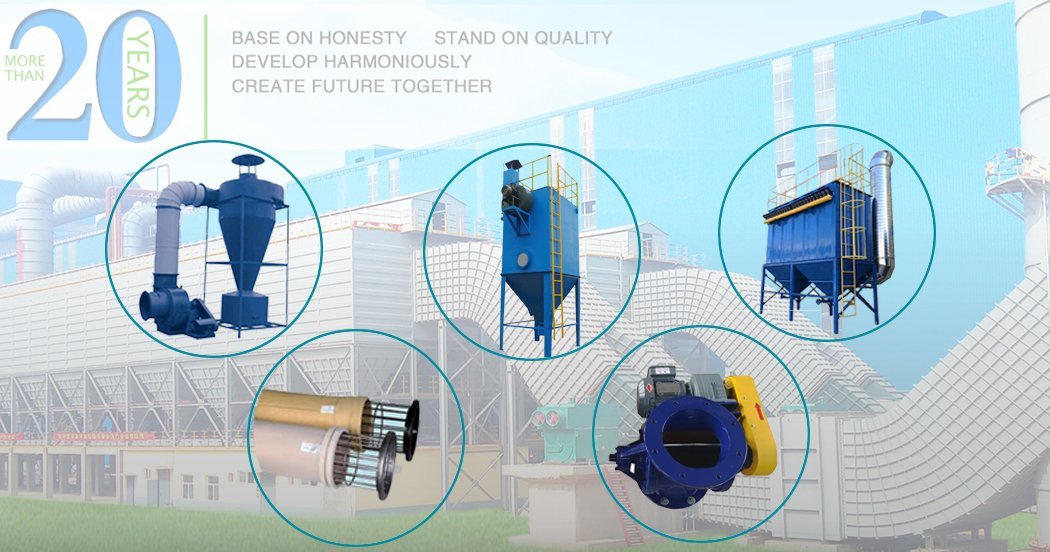

High - Performance Industrial Butterfly Valve: Precision - Engineered for Optimal Flow Management
Introduction
Key Components and Their Advantages
Disc
- Material Selection: The disc of our butterfly valve is typically constructed from high - quality materials based on the application. For general - purpose applications, stainless steel such as 304 or 316 is commonly used. These grades offer excellent corrosion resistance, ensuring a long service life when exposed to a variety of fluids. In more specialized applications, like handling highly corrosive chemicals, materials like Hastelloy or titanium may be selected. The disc's material is also chosen for its mechanical strength, allowing it to withstand the pressure differentials and flow forces exerted by the fluid.
- Aerodynamic Design: The disc is engineered with an aerodynamic shape. Its streamlined profile reduces the resistance to fluid flow when the valve is open, minimizing pressure drops across the valve. This design not only improves the efficiency of the fluid system but also helps in reducing energy consumption. The smooth surface of the disc also prevents the accumulation of debris or sediment, which could otherwise affect the valve's performance over time.
- Lightweight Construction: Despite its strength, the disc is designed to be lightweight. This reduces the torque required to rotate the disc, enabling easier operation. Whether the valve is manually operated or actuated by an automated system, the lightweight disc contributes to smoother and more responsive opening and closing, enhancing the overall performance of the valve.
Shaft
- Robust and Corrosion - Resistant: The shaft is made from high - tensile - strength steel, often heat - treated to enhance its hardness and fatigue resistance. In corrosive environments, the shaft may be coated with a corrosion - resistant material such as nickel - based alloys or epoxy. This ensures that the shaft can withstand the forces exerted during the rotation of the disc, as well as any chemical attack from the fluid.
- Precision Machining: The shaft undergoes precision machining to ensure a perfect fit with the disc and the valve body. The tolerances are maintained within a very tight range, typically in the order of thousandths of an inch. This precision machining not only ensures smooth rotation of the disc but also helps in maintaining the alignment of the disc within the valve, which is crucial for achieving an effective seal and precise flow control.
- Sealed Bearings (if applicable): In some designs, the shaft is supported by sealed bearings. These bearings are designed to reduce friction during the rotation of the shaft, thereby reducing wear and tear. The seals on the bearings prevent the ingress of contaminants such as dust, dirt, or fluid, ensuring the long - term reliability of the shaft and the overall valve operation.
Valve Body
- Heavy - Duty Construction: The valve body is fabricated from heavy - duty materials, such as cast iron, ductile iron, or forged steel, depending on the application requirements. Cast iron is often used for general - purpose applications due to its cost - effectiveness and good mechanical properties. Ductile iron offers enhanced strength and toughness, making it suitable for applications where higher pressures are involved. Forged steel is preferred in high - pressure and high - temperature applications, as it provides superior strength and integrity.
- Internal Finish: The internal surface of the valve body is carefully machined to a smooth finish. This smooth interior reduces the resistance to fluid flow and helps in preventing the formation of vortices, which can cause energy losses and damage to the valve components. The smooth surface also makes it easier to clean the valve if required, especially in applications where the fluid may contain particulate matter.
- Flange or Threaded Connections: The valve body can be equipped with either flange or threaded connections to facilitate easy installation. Flange connections are commonly used in large - diameter pipelines and applications where high - pressure sealing is required. They provide a secure and leak - tight connection. Threaded connections, on the other hand, are more suitable for smaller - diameter pipes and are relatively easy to install and disassemble.
Seat
- Sealing Materials: The seat of the butterfly valve is typically made from elastomeric materials such as EPDM, NBR, or PTFE. These materials offer excellent sealing properties, conforming to the surface of the disc to create a tight seal when the valve is closed. The choice of elastomer depends on the nature of the fluid being handled, the operating temperature, and the chemical compatibility requirements. For high - temperature applications, seats made from metal - to - metal materials with special coatings may be used to ensure reliable sealing.
- Seat Design for Long - Term Performance: The seat is designed with a profile that allows for even distribution of pressure when the disc is closed. This design helps in reducing wear and tear on the seat and the disc, ensuring a long - lasting seal. The seat is also designed to be easily replaceable in case of damage or wear, minimizing downtime and maintenance costs.
Actuator (Manual or Automated)
- Manual Actuator: For manual operation, the valve is equipped with a handwheel or a lever. The handwheel is designed for easy gripping and smooth rotation, allowing operators to precisely control the opening and closing of the disc. The lever - type actuator, on the other hand, provides a quick - acting option for applications where rapid valve operation is required. Both types of manual actuators are designed with ergonomics in mind, reducing operator fatigue during frequent use.
- Automated Actuators: For automated control, the valve can be fitted with pneumatic, hydraulic, or electric actuators. Pneumatic actuators offer fast response times and are suitable for applications where remote operation is necessary. They are powered by compressed air, providing a clean and efficient means of actuation. Hydraulic actuators provide high torque output, making them ideal for large - sized valves or applications where high - force operation is required. Electric actuators offer precise control over the position of the disc and can be easily integrated into a plant's control system for automated flow regulation based on process variables such as pressure, temperature, or flow rate.
Factory Design and Quality Advantages
Design Advantages
- Custom - Engineered Solutions: Our factory's team of experienced engineers takes a consultative approach, working closely with clients to understand their specific fluid control requirements. We consider factors such as the type of fluid, operating pressure, temperature, flow rate, and the overall system layout. Based on this in - depth understanding, we design a custom - engineered butterfly valve that is optimized for the client's unique application. This may involve modifying the size and shape of the valve components, selecting the most suitable materials for each component, or integrating special features such as anti - cavitation devices or noise - reducing elements.
- Advanced Computational Fluid Dynamics (CFD) Analysis: During the design phase, we utilize CFD software to simulate the flow of fluid through the valve. This allows us to analyze the velocity, pressure, and turbulence of the fluid within the valve body. By optimizing the internal geometry of the valve based on CFD results, we can minimize flow losses, prevent cavitation, and ensure uniform flow distribution. This not only improves the performance of the valve but also reduces the energy consumption associated with fluid flow.
- 3D Modeling and Virtual Prototyping: We use 3D modeling and virtual prototyping techniques to visualize the valve design and test its functionality before manufacturing. This enables us to identify potential design flaws, such as interference between components or difficulties in assembly, and make the necessary adjustments. By simulating the operation of the valve under different conditions, we can ensure that it will perform reliably in the real - world application.
Quality Advantages
- Stringent Quality Control System: Our factory has implemented a comprehensive quality control system that covers every stage of production, from raw material inspection to final product testing. Raw materials are tested for their chemical composition, mechanical properties, and dimensional accuracy. In - process inspections are carried out during machining, welding, and assembly operations to ensure that quality standards are maintained. Final products undergo a series of rigorous tests, including pressure testing, leak testing, seat integrity testing, and cycle testing, to ensure they meet or exceed industry - standard specifications.
- ISO - Certified Manufacturing Processes: Our manufacturing processes are ISO - certified, which demonstrates our commitment to quality management. This certification ensures that we follow international best practices in production, quality control, and customer service. We regularly review and update our manufacturing processes to keep up with the latest industry standards and technological advancements.
- Skilled and Trained Workforce: Our production team consists of highly skilled and trained technicians and craftsmen. They have extensive experience in valve manufacturing and are well - versed in the latest production techniques. Regular training programs are conducted to keep the workforce updated with the latest industry trends, technologies, and quality control measures. Their expertise and attention to detail are key to producing high - quality industrial butterfly valves.

| DN | Flange Dia. | Bolt Size | L | L1 | L2 | N-Фd | Flange thickness |
| 300 | 405 | 370 | 120 | 716 | 220 | 8-12 | 10 |
| 350 | 455 | 420 | 140 | 786 | 240 | 8-14 | 10 |
| 400 | 505 | 470 | 140 | 924 | 270 | 12-18 | 10 |
| 450 | 570 | 530 | 160 | 999 | 295 | 12-18 | 10 |
| 500 | 620 | 580 | 160 | 1079 | 325 | 12-18 | 10 |
| 600 | 720 | 680 | 180 | 1140 | 380 | 16-18 | 12 |
| 700 | 820 | 780 | 180 | 1240 | 430 | 16-18 | 12 |
| 800 | 920 | 880 | 200 | 1350 | 490 | 16-18 | 12 |
| 900 | 1040 | 990 | 200 | 1450 | 540 | 16-18 | 14 |
| 1000 | 1140 | 1090 | 220 | 1550 | 590 | 20-18 | 14 |
| 1100 | 1240 | 1190 | 220 | 1800 | 640 | 20-18 | 14 |
| 1200 | 1340 | 1290 | 240 | 1900 | 690 | 20-18 | 14 |
| 1300 | 1440 | 1390 | 240 | 2020 | 760 | 20-18 | 16 |
| 1400 | 1540 | 1490 | 260 | 2120 | 810 | 24-18 | 16 |
| 1500 | 1640 | 1590 | 260 | 2220 | 860 | 24-18 | 16 |
| 1600 | 1740 | 1690 | 280 | 2390 | 980 | 24-18 | 16 |
| 1700 | 1840 | 1790 | 280 | 2590 | 1030 | 28-22 | 16 |
| 1800 | 1940 | 1890 | 300 | 2709 | 1096 | 28-22 | 16 |
| 1900 | 2040 | 1990 | 300 | 2826 | 1146 | 32-22 | 16 |
| 2000 | 2150 | 2090 | 320 | 2926 | 1196 | 32-26 | 16 |
| 2200 | 2360 | 2300 | 340 | 3126 | 1296 | 36-26 | 16 |
| 2400 | 2560 | 2500 | 360 | 3326 | 1396 | 36-26 | 18 |
| 2600 | 2760 | 2700 | 380 | 3526 | 1496 | 40-26 | 18 |
| 2800 | 2960 | 2900 | 400 | 3726 | 1596 | 40-26 | 18 |
| 3000 | 3190 | 3110 | 400 | 4098 | 1698 | 44-30 | 18 |
| 3200 | 3390 | 3310 | 440 | 4338 | 1798 | 44-30 | 20 |
| 3400 | 3590 | 3510 | 440 | 4578 | 1898 | 48-30 | 20 |
| 3600 | 3790 | 3710 | 480 | 4780 | 1998 | 48-30 | 20 |
| 3800 | 4000 | 3910 | 480 | 5000 | 2098 | 52-30 | 22 |
| 4000 | 4210 | 4120 | 520 | 5200 | 2210 | 52-30 | 22 |
Keywords
Leave Us A Message
*Note: Please fill in the information accurately and keep the communication open. We will contact you as soon as possible.

Contact Information
Add:Botou city Hebei province
ff0082006
Email us
For more information, please leave your message below.